The Dubai property market has a reputation problem — or rather, a reputation lag. The city that serious capital encounters in 2026 is disciplined end-user demand, maturing rental economics, a regulatory framework that actually works, and price levels increasingly anchored in income rather than imagination.
- The Market in Numbers: Record Volumes, Steadier Tone
- Pricing Across Segments: Why One Number Misleads
- What Is Actually Driving Dubai's Demand in 2026
- The Indian and NRI Investor Perspective
- Regulatory Architecture: What Has Changed and Why It Matters
- Off-Plan vs Ready Property: Two Distinct Investment Cases
- Forward-Looking Themes to Watch in 2026
- Building a Disciplined Dubai Investment Strategy
- Frequently Asked Questions
1. The Market in Numbers: Record Volumes, Steadier Tone
Dubai closed 2025 with total property transaction values estimated at around AED 680 billion — a historical high across residential, commercial and off-plan categories. Rather than triggering a post-peak slowdown, the market moved faster into the new year. January 2026 recorded approximately AED 72.4 billion in deal value: the strongest single month ever registered and a 63% increase against the equivalent period in 2025.
What matters as much as the headline figure is its composition. Off-plan deals were the primary engine, with year-on-year value growth of between 90% and 128% in early 2026 data. Completed asset pricing also strengthened, even as secondary transaction volumes were broadly flat — sellers of income-producing properties are not discounting, which implies confidence in future rental income.
2. Pricing Across Segments: Why One Number Misleads
Average Dubai prices per square foot are quoted widely and understood poorly. The city's residential market functions across at least three distinct price bands, each with its own supply-demand dynamic.
Overall Pricing: From Surge to Steady Climb
Average residential prices reached approximately AED 1,600–1,700 per square foot by late 2025, representing roughly 11–12% year-on-year appreciation. Forecasts for 2026 point to moderation into single-digit annual growth. A market cooling from 12% appreciation to 6–7% is maturing — and that is precisely when institutional-quality portfolios are built.
Prime and Luxury: Where Scarcity Sets the Price
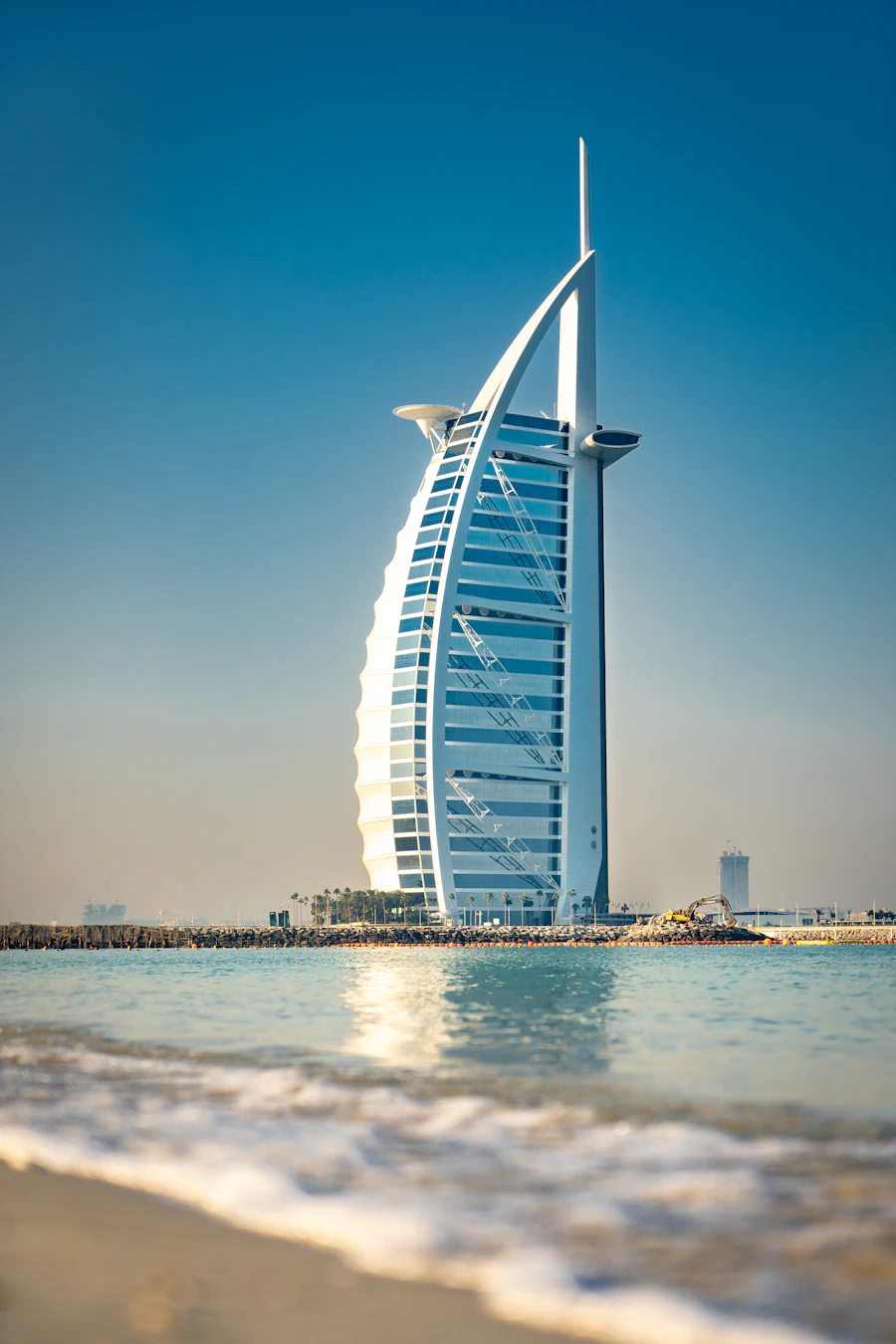
Palm Jumeirah, Emirates Hills, Downtown Dubai, and Dubai Hills Estate are not responding to the same supply conditions as the broader market. Pricing in select micro-markets has exceeded AED 3,700 per square foot — more than 8% above year-prior levels and well over double the values seen in 2019. Ultra-prime transactions above USD 10 million remain active, with more than 100 such sales in a single quarter of 2025.
Mid-Market: Income Opportunity With Selectivity Required
Communities including Jumeirah Village Circle, Arjan, Town Square and Dubai South attract buyers with gross rental yields of 7–10%. However, a significant construction pipeline means price growth will be modest in oversupplied clusters. Micro-location, building quality and property management now determine which investments deliver and which disappoint.
3. What Is Actually Driving Dubai's Demand in 2026
End-Users: The Most Important Structural Shift
Across many segments, owner-occupiers account for more than 80% of transactions — a fundamentally different demand profile from the speculator-heavy market of earlier cycles. Primary residences do not get liquidated in the first week of market volatility. The growing owner-occupier base gives Dubai's cycle considerably more resilience than its past behaviour might suggest.
Global HNI Buyers: Dubai as Portfolio Allocation
Family offices and private clients from Europe, Africa, South and Southeast Asia are allocating to Dubai property with increasing seriousness. The drivers are structural: gross yields of 6–8% against 2–4% in London, New York or Singapore; no recurring property tax and no capital gains tax; and a 10-year Golden Visa available to property investors committing AED 2 million or more.
4. The Indian and NRI Investor Perspective
Indian buyers consistently feature among the top three foreign purchaser nationalities in Dubai. The yield gap is the starting point: gross rental yields on Mumbai's premium residential assets sit between 2% and 3.5%. Comparable capital in Dubai frequently earns 6–9%. That arithmetic — two to three times the income on a similar-value property — is the fundamental reason Indian families are looking west as part of their real estate strategy, not instead of India but alongside it.
The Two-Market Portfolio Model
The pattern for many Indian HNI families is deliberate: self-use homes, business-linked properties and long-term capital appreciation assets in India; Dubai holdings for income, currency diversification and lifestyle optionality. These are complementary rather than competing allocations.
What Indian Buyers Must Address Before Moving Capital
LRS (Liberalised Remittance Scheme) annual limits, FEMA compliance, Indian tax treatment of overseas property income and estate planning across two jurisdictions must all be mapped before any capital moves. Advisors who operate in both the Dubai and Indian frameworks are not a luxury — they are the difference between a structurally sound investment and a compliance problem.
5. Regulatory Architecture: What Has Changed and Why It Matters
Investor confidence in Dubai today is supported by a regulatory backbone rebuilt largely in response to the market's painful 2008–2010 period.
Freehold Ownership for Non-UAE Nationals
Foreign nationals can hold freehold title in Dubai's designated investment zones — Marina, Downtown, Palm Jumeirah, Business Bay and many others — with legal ownership registered at the Dubai Land Department. Title is transferable, mortgageable and inheritable.
RERA Oversight and Escrow Protections
RERA requires all developers to register projects, hold buyer funds in ring-fenced escrow accounts, and demonstrate construction progress before drawing down those funds. This mechanism was designed specifically to prevent the project abandonment that devastated off-plan buyers in the previous cycle — and it has largely worked. UAE-wide legislative changes across 2025 tightened developer obligations further.

6. Off-Plan vs Ready Property: Two Distinct Investment Cases
The Case for Off-Plan Property
Off-plan purchases require lower upfront cash, structured around staggered payment milestones, and in prime segments with credible developers have delivered price appreciation of 7–10% annually through construction. So are the risks: delivery delays, design changes, developer execution quality, and sentiment shifts between signing and handover. Off-plan rewards patience and research. It punishes buyers who are undercapitalised or have short holding horizons.
The Case for Ready Property
Completed assets in established communities offer something off-plan cannot: income today. Gross yields of 6–10% are achievable in well-selected mid-market buildings. Pricing is anchored to rental income, which makes valuations more transparent and bank financing more accessible. For NRI investors building a steady foreign income stream, ready property is the more legible and more defensive choice.
Why the Smartest Dubai Books Contain Both
A portfolio that is entirely off-plan is speculative. One that is entirely in ready assets misses the capital growth optionality that Dubai's prime sector genuinely offers. The most considered positions hold a core of income-producing ready assets — the engine of cash yield — with selective off-plan exposure to top-tier developers in genuinely supply-constrained locations.
7. Forward-Looking Themes to Watch in 2026
Selective Cooling vs Systemic Risk: The Key Distinction
The credible consensus for 2026 is selective cooling in pockets rather than a market-wide correction. Prime supply remains genuinely constrained. Rental demand from mid-to-upper earners is supported by Dubai's ongoing population growth and professional inflows. The leverage profile across the market is materially lower than in previous cycles. Mid-market apartments in communities with heavy pipeline supply are the pocket most exposed to soft pricing.
Tokenisation and Fractional Ownership: Early Stage, Long Game
Blockchain-driven property tokenisation is attracting developer interest and regulatory attention. The practical reality in 2026 is that this remains early-stage. The relevant signal for HNIs is that Dubai's authorities are actively facilitating it — which could improve market access and liquidity meaningfully over the medium term.
8. Building a Disciplined Dubai Investment Strategy in 2026
Begin With Allocation, Not Asset Selection
The most common mistake in Dubai is jumping to specific towers before establishing the strategic rationale for being in the market at all. Decide first: what share of your total real estate portfolio should Dubai represent? For an India-anchored HNI, that might be 10–25%, depending on business links, family plans and risk tolerance.
Build a Barbell Within Dubai
A well-constructed Dubai book works across two ends simultaneously. At the income end: ready apartments in tenant-dense communities, generating 6–9% gross yields. At the growth end: selective off-plan exposure to top-tier developers in prime micro-markets. Concentrating only at one end leaves you either chasing yield without optionality or chasing growth without an income base.
Underwrite Like a Lender
The investors who consistently do well in Dubai apply bank-style discipline before committing capital. Stress-test: flat prices for two to three years, a modest rental correction, higher-than-forecast service charges. Evaluate micro-location, building management quality and tenant profile as rigorously as the developer brand. Ask honestly whether there will be motivated buyers at a fair price if you need to exit in an unfavourable market.
Structure Correctly Before Capital Moves
For Indian investors, remittance rules, FEMA compliance, home-country tax treatment of overseas rental income and cross-border estate planning must be addressed as foundational groundwork, not afterthoughts. Working with RERA-registered brokers and advisors who understand both the Dubai market and the investor's home-country framework is not optional.
Frequently Asked Questions
Yes, for investors who approach it with a clear strategy and appropriate due diligence. Dubai in 2026 combines genuine end-user demand, rental yields of 6–10%, no capital gains tax, and a considerably more robust regulatory environment than existed a decade ago. That does not make it risk-free — no property market is — but it makes a serious, well-structured Dubai allocation a credible choice for HNIs and NRIs with a medium-to-long investment horizon.
Gross rental yields range from approximately 6% in prime locations to 9–10% in well-selected mid-market communities. For reference, Mumbai's premium residential market typically yields 2–3.5% on comparable property values — making Dubai one of the most income-efficient international property markets available to Indian investors.
Yes. Indian nationals and NRIs can purchase freehold property in Dubai's designated investment zones, with title registered at the Dubai Land Department. The purchase must comply with India's LRS annual remittance limits and FEMA regulations. Working with advisors who understand both the UAE and Indian regulatory frameworks is essential.
Off-plan properties offer lower entry costs, milestone-based payment plans, and potential capital appreciation during the build period. Ready properties generate immediate rental income, carry more transparent valuations, and are more accessible to mortgage financing. A balanced portfolio combines both, weighted according to the investor's income requirements, time horizon and risk appetite.
A property purchase of AED 2 million or more in Dubai qualifies the buyer to apply for a 10-year UAE Golden Visa, providing long-term residency for the investor and immediate family. This pathway is a significant secondary consideration for many HNI and NRI buyers with international business interests or lifestyle motivations.
Indian investors must map out LRS remittance limits, FEMA obligations, Indian tax treatment of overseas rental and capital income, and estate planning implications across two jurisdictions before capital moves. Engaging RERA-registered brokers and advisors who operate across both the Dubai and Indian frameworks is essential to ensure compliance and protect returns.
Investing in Dubai requires more than a portal and a shortlist.
At 66 North Realty, we work exclusively with HNIs and NRI investors making considered, significant property decisions across Mumbai and Dubai — independent of any developer relationship, entirely focused on your goals.